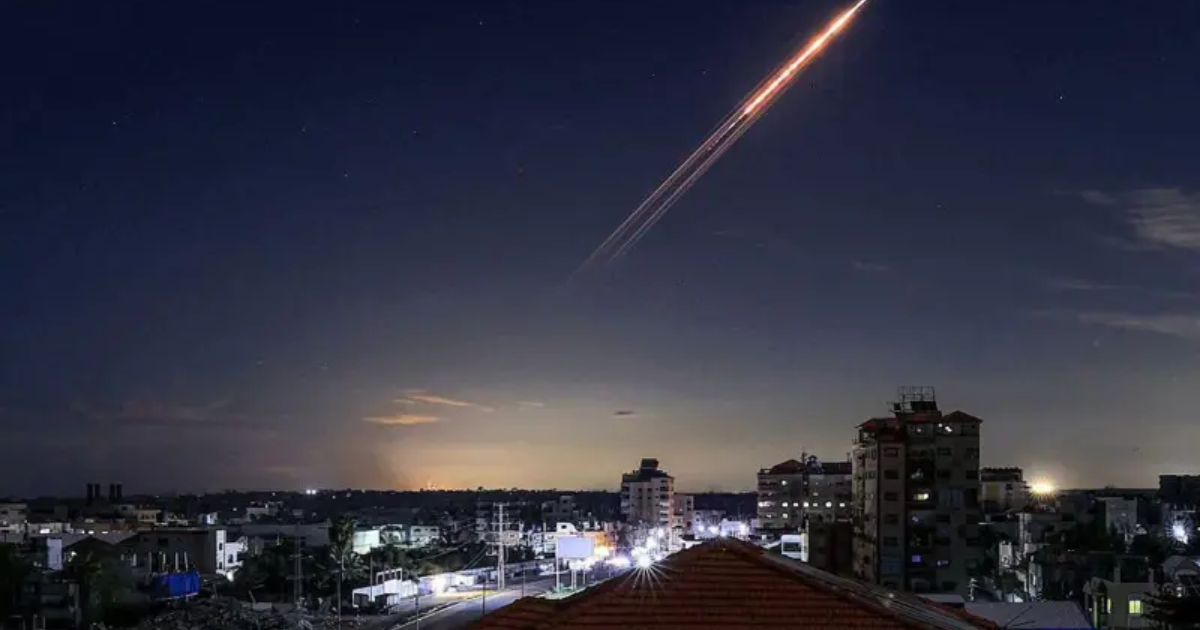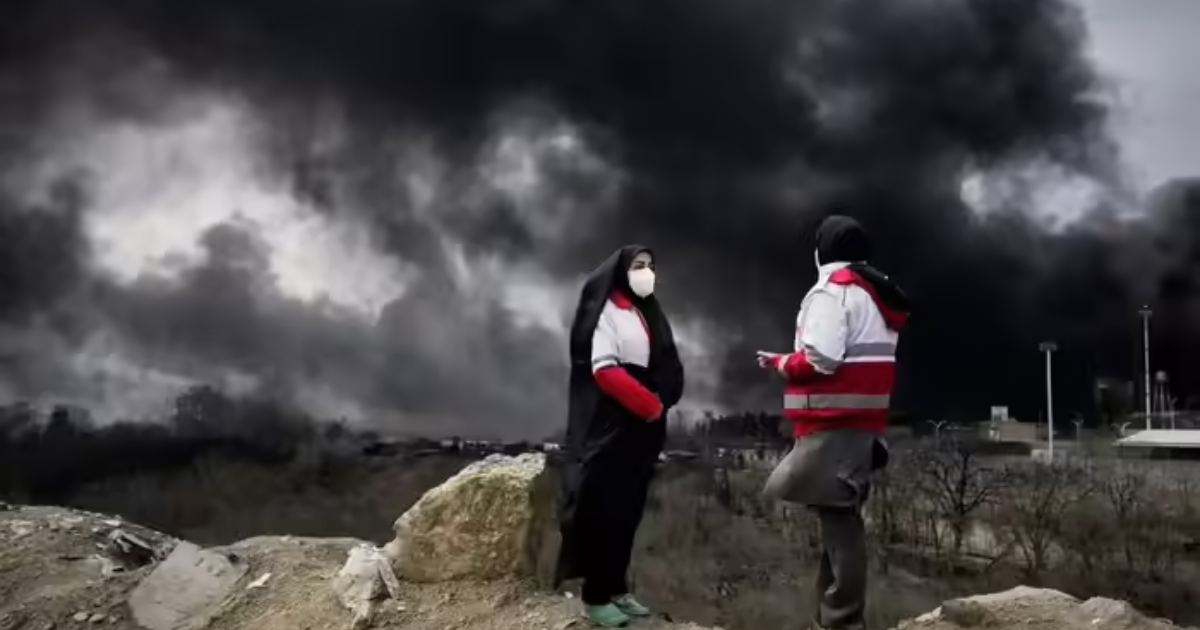
The conflict involving Iran has heightened global instability.
While many nations around the world appear to be faltering, India stands firm bolstered by its strategic petroleum reserves, balanced diplomacy, energy diversification, and continuous emergency monitoring.
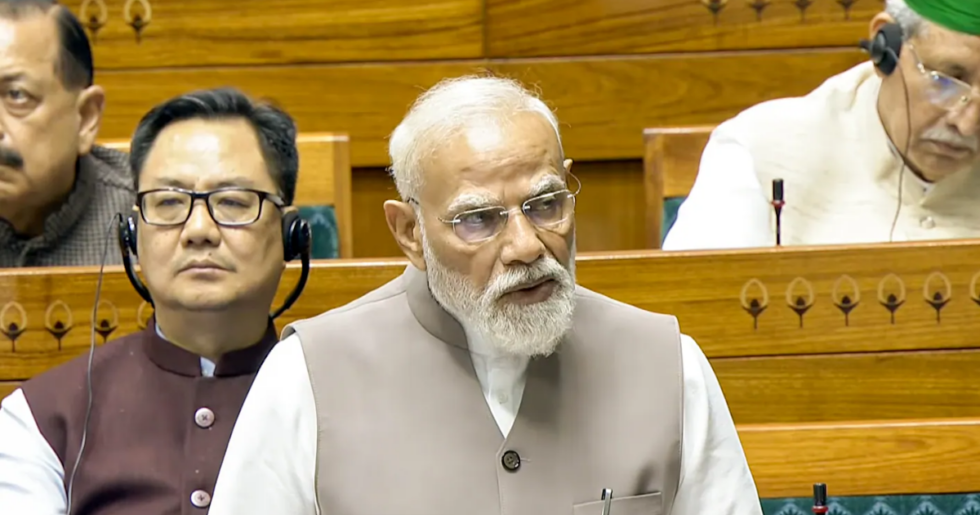
The ongoing conflict in the Middle East has shaken the global energy market. Crude oil prices have surged past the 0 mark, and numerous countries are grappling with fuel rationing, inflation, and supply crises. Yet, amidst this turmoil, India appears relatively stable and well-prepared. Delivering a statement in Parliament, PM Modi made it clear that the government remains on high alert to tackle any challenge, emphasizing that the nation’s interests are paramount. He outlined several concrete reasons that clearly demonstrate why India stands strong in the face of this crisis.
Reason 1: Strategic Petroleum Reserves (SPR)
India has already established a substantial stockpile of oil. PM Modi noted that the country possesses strategic reserves amounting to hundreds of thousands of tons—a capacity that is being continuously expanded. These reserves provide the nation with immediate relief during any supply shock and serve as a safeguard against panic.
Reason 2: A Long-Term Energy Buffer
According to government data, when combining strategic reserves with the existing stocks held by oil companies, India possesses a backup capacity sufficient to cover over 70 days of consumption. This means that even if supply lines are disrupted, the country has ample time to adjust and recover.
Reason 3: Balanced and Proactive Diplomacy
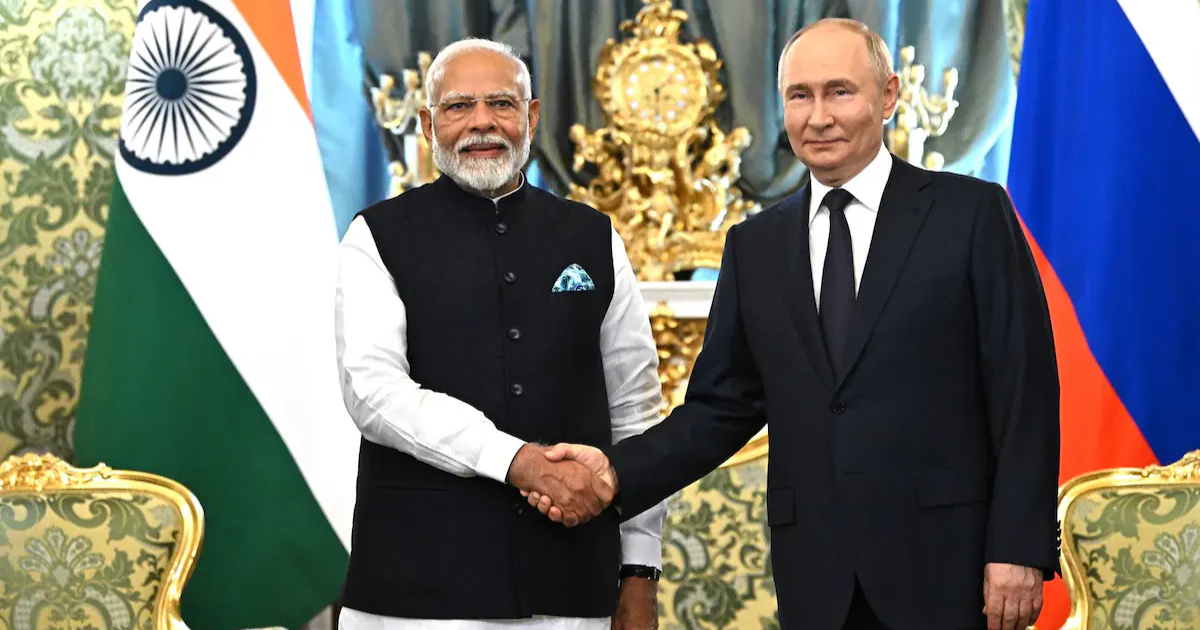
PM Modi highlighted that he has engaged in discussions with leaders from several nations, including Iran, Saudi Arabia, the UAE, and Qatar. India does not rely solely on any single party; rather, it safeguards its national interests by maintaining open channels of dialogue with every country involved.
Reason 4: Policy to Reduce Dependence on Oil
Speaking in Parliament, PM Modi explained that through ethanol blending, the country is saving millions of barrels of crude oil annually. This initiative has alleviated the pressure on imports and provided the nation with a buffer against economic shocks. Fifth Reason: Railway Electrification and Diesel Savings
Due to the rapid electrification of the railways, there has been a significant reduction in diesel consumption. Consequently, a substantial portion of energy is now being sourced from alternative channels, proving to be a valuable asset during times of crisis.
Sixth Reason: Expansion of Renewable Energy
India’s renewable energy capacity has now exceeded 250 gigawatts. Sources such as solar, wind, hydro, and biogas have expanded the range of energy alternatives, thereby reducing dependence on oil.
Seventh Reason: Electric Mobility and Metro Expansion
The government is actively working on deploying 15,000 electric buses and expanding the metro network. This initiative is leading to a decline in fuel consumption within cities and alleviating the pressure on imported oil.
Eighth Reason: Daily Monitoring and Strict Vigilance
PM Modi stated that an inter-ministerial group is conducting a daily review of the situation. States have been issued directives to curb black marketing, maintain supply chains, and ensure the safety and security of laborers and the underprivileged.
Ninth Reason: Experience in Crisis Management
India possesses prior experience in handling major crises, such as the COVID-19 pandemic. The Central and State governments are collaborating based on that very model, ensuring that the administrative response remains both swift and effective.
Tenth Reason: Adequate Food and Coal Reserves
PM Modi also clarified that the country holds sufficient reserves of food grains and coal. This implies that, alongside energy, there is no shortage of other essential resources, thereby ensuring that the overall impact of the crisis remains contained.
Pakistan
Pakistan has been compelled to take stringent measures to cope with this oil crisis. To conserve fuel, the government has taken decisions such as restricting non-essential travel, promoting “Work from Home” arrangements, and even curtailing national-level events. For Pakistan—which is already grappling with an economic crisis—expensive oil has dealt a double blow. On one hand, it exerts pressure on foreign exchange reserves; on the other, it poses the threat of rising inflation for the common people.
China
Despite being the world’s second-largest economy, China, too, finds itself under pressure. It has imposed price caps on fuel to provide relief to domestic consumers and has banned the export of petrol, diesel, and jet fuel. Additionally, China has adopted a strategy to boost coal usage and increase its reliance on alternative energy sources in order to reduce its immediate dependence on imported oil.
Bangladesh
The situation in Bangladesh appears quite precarious. To maintain its fuel supply, the country is compelled to rely on other nations. While some relief measures were previously implemented to ensure smooth travel during festive seasons, the government is now once again seeking to procure oil from India, China, and other partner nations to secure supplies. This indicates that the country lacks sufficient domestic reserves.
Nepal
Nepal is entirely dependent on imported fuel, and this crisis has had a direct impact on its populace. The Nepal Oil Corporation has raised the prices of petrol and diesel in an effort to maintain payments to India and ensure the continuity of supplies. In essence, the government faces limited options: either raise prices or endure a supply crisis.
Sri Lanka
The situation in Sri Lanka is considered the most critical. The government has been forced to implement fuel rationing, impose massive price hikes on petrol and diesel, and place restrictions on daily life. Working hours have been curtailed across several sectors, and directives have been issued to switch off streetlights, neon signs, and even billboard lighting in an effort to conserve electricity. This situation clearly demonstrates how rapidly economically vulnerable nations are impacted during an energy crisis.
These examples make it evident that while many nations are compelled to take immediate and drastic measures…